

 English
 Español
 عربى
عربى
Home / News / Industry News / Goose Down vs Alternative Down: Fill Power Guide & Comforter Comparison

Goose Down vs Alternative Down: Fill Power Guide & Comforter Comparison
2026-04-08
Content
- 1 The Core Difference in Warmth and Weight
- 2 Understanding Fill Power in Down Products
- 3 Material Composition and Source Differences
- 4 Performance in Different Conditions
- 5 Durability and Longevity Comparison
- 6 Allergen and Health Considerations
- 7 Environmental and Ethical Factors
- 8 Cost Analysis and Value Assessment
- 9 Selection Guidelines for Specific Needs
The Core Difference in Warmth and Weight
Goose down provides superior warmth-to-weight ratio compared to alternative down, making it the preferred choice for cold climates and lightweight bedding needs. Natural down clusters trap more air per ounce than synthetic fibers, delivering 3 to 4 times the insulating efficiency of polyester alternatives. However, alternative down comforters excel in hypoallergenic properties and budget accessibility, typically costing 50-70% less than premium goose down options.
The choice between down comforter vs alternative ultimately depends on climate conditions, allergy sensitivities, maintenance preferences, and budget constraints. Understanding fill power ratings and material construction helps identify the optimal bedding solution for specific sleep environments.
Understanding Fill Power in Down Products
What Fill Power Measures
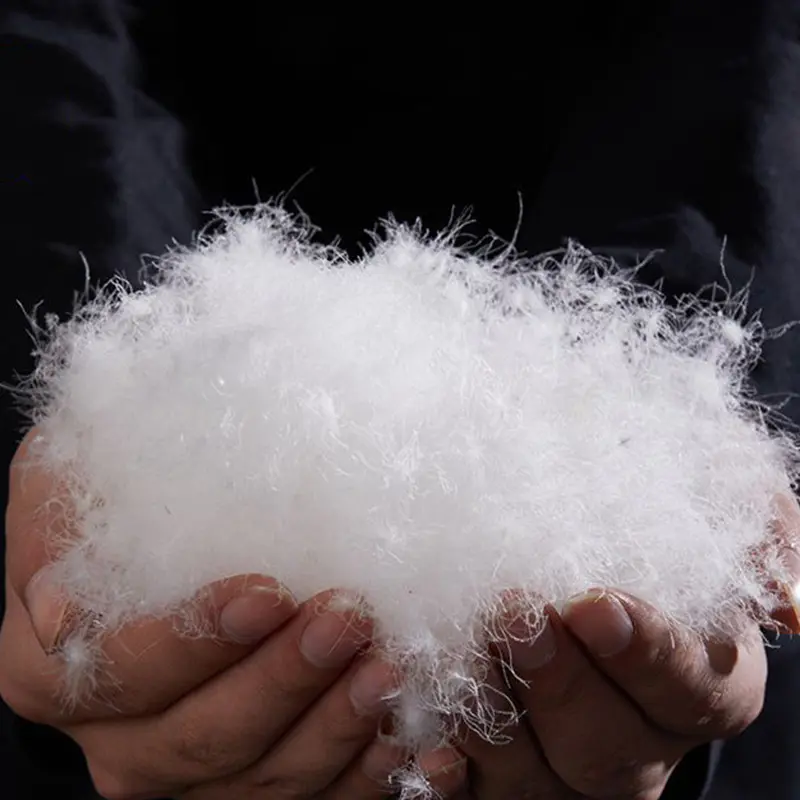
Fill power quantifies the loft or fluffiness of down insulation, directly correlating with warmth and quality. This measurement represents the number of cubic inches that one ounce of down occupies when compressed and released in a testing cylinder. Higher fill power indicates larger down clusters that trap more air and provide better insulation with less material weight.
Fill Power Rating Categories
Fill power ratings follow a standardized scale that determines performance and price tiers:
| Fill Power Range | Quality Level | Best For | Price Point |
|---|---|---|---|
| 400-600 | Entry | Mild climates, summer use | Budget |
| 600-700 | Good | Year-round moderate climates | Mid-range |
| 700-800 | Excellent | Cold winters, lightweight warmth | Premium |
| 800+ | Superior | Extreme cold, ultralight gear | Luxury |
A comforter with 800 fill power requires significantly less down by weight to achieve the same warmth as a 600 fill power alternative, resulting in lighter, more breathable bedding. Premium goose down typically achieves 700-900 fill power, while duck down generally ranges from 500-700 fill power.
Material Composition and Source Differences
Goose Down Characteristics
Goose down consists of the soft undercoating beneath the outer feathers of geese, specifically the clusters found on the belly and chest areas. These clusters feature thousands of interlocking filaments that create natural air pockets. Mature geese produce larger down clusters than ducks, resulting in higher average fill power ratings. White goose down commands premium prices due to visual appeal in light-colored shells, though gray down provides identical performance.
Alternative Down Technologies
Alternative down comprises synthetic fibers engineered to mimic down properties. Primary materials include:
- Polyester microfiber: Mimics down clusters through siliconized hollow fibers
- Primaloft: Ultra-fine microfiber blend originally developed for military use
- Recycled polyester: Eco-friendly options using post-consumer plastic bottles
Advanced alternative down achieves 90% of the warmth of natural down when dry, though performance degrades more significantly when exposed to moisture.
Performance in Different Conditions
Moisture and Humidity Response
Natural down contains hydrophobic oils that provide limited water resistance, but goose down loses insulating properties when wet. Saturated down clumps together, reducing loft by 80-90% and eliminating warmth retention. Alternative down maintains 60-70% of insulating capability when damp and dries significantly faster, making synthetics preferable for humid climates or sleepers prone to night sweats.
Temperature Regulation
Goose down comforters adapt to body temperature through superior breathability. The natural structure allows excess heat and moisture vapor to escape, preventing overheating. Alternative down traps more humidity against the skin, potentially causing discomfort for hot sleepers. However, this characteristic makes synthetic comforters preferable for consistently cold bedroom temperatures below 60 degrees Fahrenheit.
Durability and Longevity Comparison
Lifespan Expectations
Quality goose down comforters last 15 to 20 years with proper care, often outlasting their fabric shells. The natural resilience of down clusters allows repeated compression and recovery without significant degradation. High-grade alternative down comforters typically require replacement after 5 to 8 years as synthetic fibers break down and lose loft permanently.
Maintenance Requirements
Goose down demands professional cleaning or careful home washing with specific down detergents. Improper washing strips natural oils and causes clumping. Alternative down comforters tolerate regular machine washing and drying, maintaining performance through frequent cleaning cycles. This distinction makes synthetic options practical for households with pets, children, or allergy concerns requiring regular sanitization.
Allergen and Health Considerations
Hypoallergenic Properties
Contrary to common assumption, pure goose down rarely triggers allergies. Most reactions stem from residual dust, dander, or mites in poorly cleaned down rather than the material itself. Hypoallergenic down undergoes rigorous washing and sterilization processes to remove impurities. Alternative down provides inherently hypoallergenic properties, eliminating concerns about feather-related sensitivities entirely.
Chemical Exposure
Some alternative down products incorporate chemical treatments for flame resistance or antimicrobial properties. Natural down contains no synthetic chemicals, appealing to consumers prioritizing organic sleeping environments. Certifications such as OEKO-TEX Standard 100 or Responsible Down Standard verify safety and ethical sourcing for both categories.
Environmental and Ethical Factors
Sustainability Profiles
Natural down represents a renewable resource with biodegradable end-of-life characteristics. A goose down comforter used for 20 years generates less environmental impact than multiple synthetic replacements. However, down production requires animal agriculture with associated land and water usage. Recycled polyester alternatives reduce plastic waste but release microfibers during washing and persist in landfills for centuries.
Ethical Sourcing Standards
The down industry has implemented strict welfare standards following past controversies. The Responsible Down Standard and Traceable Down Standard ensure birds live healthy lives without live-plucking or force-feeding practices. Consumers seeking ethical assurance should verify these certifications when purchasing goose down products.
Cost Analysis and Value Assessment
Initial Investment vs Long-term Value
Entry-level alternative down comforters range from 50 to 150 dollars, while premium goose down options start at 300 dollars and exceed 1000 dollars for luxury brands. Calculating cost-per-year of use reveals different value propositions:
- Alternative down: 100 dollars divided by 6 years equals approximately 17 dollars annually
- Goose down: 600 dollars divided by 18 years equals approximately 33 dollars annually
While goose down requires higher upfront investment, the superior comfort and longevity often justify the expense for primary bedding used nightly.
Selection Guidelines for Specific Needs
Choose Goose Down If
You sleep in cold climates requiring maximum warmth with minimal weight, value long-term durability and natural materials, prefer breathable bedding that regulates temperature, and accept higher maintenance requirements for premium comfort.
Choose Alternative Down If
You have confirmed feather allergies or asthma, live in humid environments where moisture resistance matters, require frequent washing capabilities, prefer vegan or animal-free products, or need budget-friendly bedding solutions without sacrificing reasonable warmth.
News Center
If you are interested in our products, please consult us
Contact Details
- Address : East 1st Floor, Building 3, No.3 Light Textile Road, Xucun Town, Haining City, Jiaxing City, Zhejiang Province
- Tel: +86-18133691685
- E-mail: [email protected]
Products
Quick Link
News Center
Mobile terminal

