

 English
 Español
 عربى
عربى
Thick Down Quilt Filling Suppliers
-
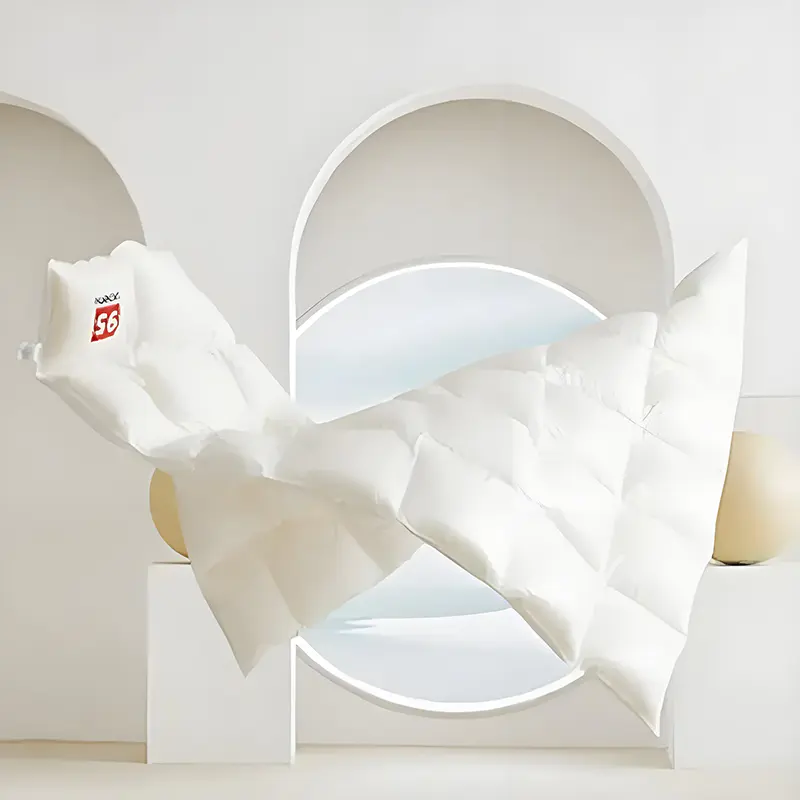
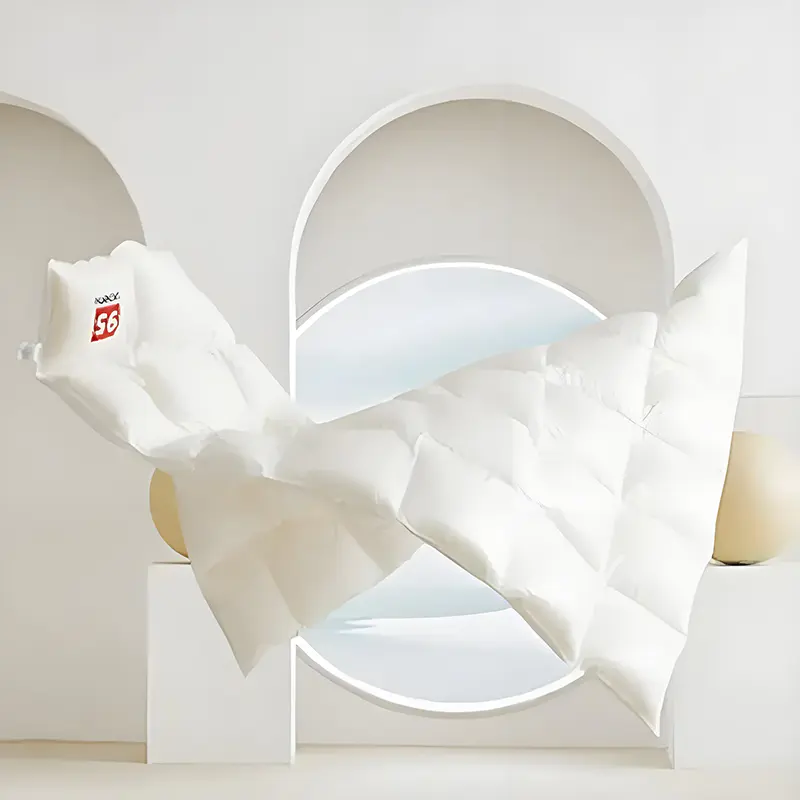
High Down Content, Zero Pressure, Zero Odor, Antibacterial And Anti-Mite, Thick Winter Duvet Filling
-
High Loft, Heat-Locking, Environmentally Friendly Certified Maternal And Infant Grade Safe Down Quilt Filling
-
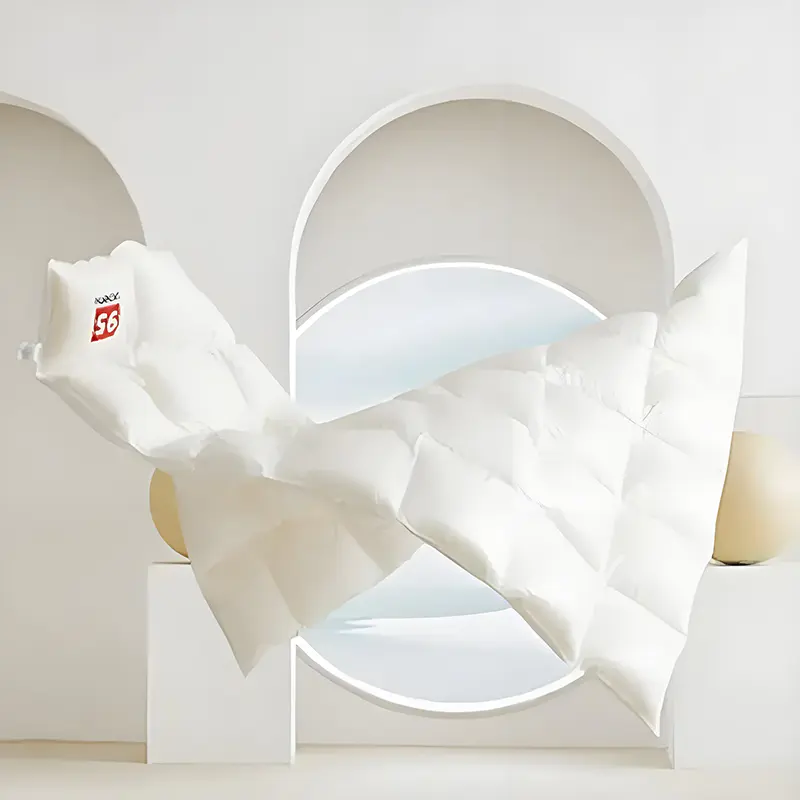
Easy To Care For, High Temperature Drying, General Use In All Seasons, Cost-Effective Hotel Down Quilt Filling
About Us
Feather down production is the core business of domestic and foreign trade combined production enterprises.
The company has over 20 years of down production experience and can produce high-quality down.
We are Custom Thick Down Quilt Filling Suppliersand China Thick Down Quilt Filling Exporter, And professional commitment to each standard white goose down white duckdown production and sales business, sales of all kinds of high and low gradedown, professional quality, quality service, always adhering to the quality of customers, With the concept of credibility and development, the company has a number of patents. It has passed several certifications at home and abroad. And has been praised by the local government and the society, and the industry for many years.
News
-
Industry News 2026-10-09
Ask five pillow manufacturers whether you can wash down feather pillows and you will get two answers: a cautious yes on a gentle cool cycle, or a firm no unless the spill is an emergency. Both camps are partly right, and the deciding factors are measurable rather than mysterious. A soaked 20 by 26 inch pillow can wei...
View More -
Industry News 2026-10-01
A pillow that once felt tall and springy now lies flat, smells faintly stale, and shows a yellow ring on the casing. That is usually the moment someone finally asks whether down feather pillows can be washed, half expecting the answer to be no. It is not. The filling inside your pillow has met water many times before...
View More -
Industry News 2026-09-24
A parka tag that reads "90 percent white goose down, fill power 800" is summarizing a supply chain most shoppers never see. That chain starts on meat farms, runs through washing and sorting lines, and ends as the warmest fill per gram the apparel and bedding industries have. Roughly 270,000 metric tons of down and fe...
View More
Down Quilt knowledge
Comparing Different Down Types: Applications and Advantages in Thick Down Quilt Fillings
When choosing a filling for thick quilts, down is highly favored for its exceptional warmth and light weight. Among natural down types, goose down and duck down are the most common, each with unique characteristics. Additionally, the market offers several synthetic alternatives, providing more options for various needs.
Natural Down: Goose Down and Duck Down
Goose down is often considered the "luxury choice" in down, with its advantages primarily reflected in the following aspects:
- Higher Fill Power: Geese are typically larger than ducks, resulting in larger, more plump down clusters. This means that for the same weight, goose down can offer a higher fill power. A higher fill power indicates better insulation and a lighter quilt.
- Stronger Warmth Retention: Due to its large clusters and high fill power, goose down can trap more air, creating a more effective insulating layer. This typically results in superior warmth compared to duck down.
- Minimal Odor: Geese are herbivorous, and their down has a relatively lower fat content. This leads to less residual odor after processing compared to duck down, a significant advantage for those sensitive to smells.
- Longer Lifespan: Goose down fibers are generally more resilient and have better loft retention. Even after prolonged use and compression, they can maintain good loft, resulting in a longer product lifespan.
Duck down, as a more economical option, also has its unique advantages:
- Cost-Effective: Compared to goose down, duck down is produced in larger quantities and at a lower cost, making duck down quilts more budget-friendly and suitable for consumers with limited budgets.
- Good Warmth Retention: Although its fill power is slightly less than goose down, duck down remains an excellent natural insulating material. For most everyday uses, the warmth provided by duck down quilts is more than sufficient.
- Widespread Availability: The wider availability of duck down makes it more common in the market.
It's worth noting that ducks are omnivorous, and their down has a relatively higher fat content. If not processed properly, it can retain a certain odor. However, modern refined cleaning and processing techniques have significantly mitigated this issue.
Synthetic Alternatives: Meeting Diverse Needs
Beyond natural down, the market offers numerous synthetic alternatives, each with specific advantages:
-
Polyester Fiber: This is the most common synthetic filling, designed to mimic the loft of down.
- Advantages: It's inexpensive, easy to clean and maintain, quick-drying, and less likely to cause allergic reactions, making it an ideal choice for those with down allergies.
-
Microfiber: A finer type of polyester fiber, engineered to provide a hand-feel closer to down.
- Advantages: It feels soft, is lightweight, offers better loft than regular polyester fiber, and is also hypoallergenic.
-
Down Alternative: Specifically designed to mimic down's characteristics, often using specially treated polyester fibers.
- Advantages: It offers similar loft and softness to down, while also possessing the easy-care and hypoallergenic benefits of synthetic fibers, without involving animal products.
In summary, when choosing a filling for a thick quilt, if you prioritize ultimate warmth, lightness, and a luxurious experience, and your budget allows, goose down is undoubtedly the best choice. If you're looking for a cost-effective product with sufficient warmth, duck down is an excellent option. For those with budget constraints, allergy concerns, or a preference for easy-care products, various synthetic alternatives provide practical and diverse choices.
When making your selection, besides considering the type of filling, you should also pay attention to its fill weight and fill power, as these metrics collectively determine the quilt's warmth and comfort.
If you are interested in our products, please consult us
Contact Details
- Address : East 1st Floor, Building 3, No.3 Light Textile Road, Xucun Town, Haining City, Jiaxing City, Zhejiang Province
- Tel: +86-18133691685
- E-mail: [email protected]
Products
Quick Link
News Center
Mobile terminal

