

 English
 Español
 عربى
عربى
Home / News / Industry News / The Ultimate Guide to Duck Down Filling: Warmth, Quality, and Informed Choices

The Ultimate Guide to Duck Down Filling: Warmth, Quality, and Informed Choices
2025-12-19
In the world of insulation for bedding and apparel, few materials evoke a sense of cozy comfort quite like down. Among the various types, duck down filling stands as a highly popular, effective, and often more accessible option. But what exactly sets it apart? How does one navigate terms like fill power, cluster size, and ethical sourcing? This comprehensive guide delves deep into the nature of duck down, exploring its unique characteristics, benefits, and how it compares to its counterparts. We will also address common questions around allergies, durability, and care, empowering you to make the best choice for your warmth needs. Furthermore, understanding the source is key. The quality of duck down is intrinsically linked to the expertise and standards of its production. Enterprises with decades of specialization, like those combining domestic and international trade with over 20 years of focused experience, are pivotal. Such producers dedicate themselves to the professional commitment of each standard, from white goose down to white duck down production and sales business, ensuring that every batch of high or low-grade down meets rigorous quality benchmarks. This commitment, backed by professional quality service, multiple patents, and various domestic and international certifications, forms the foundation of trustworthy down products praised by industry and communities alike.
Content
Understanding Duck Down: Nature's Premium Insulator
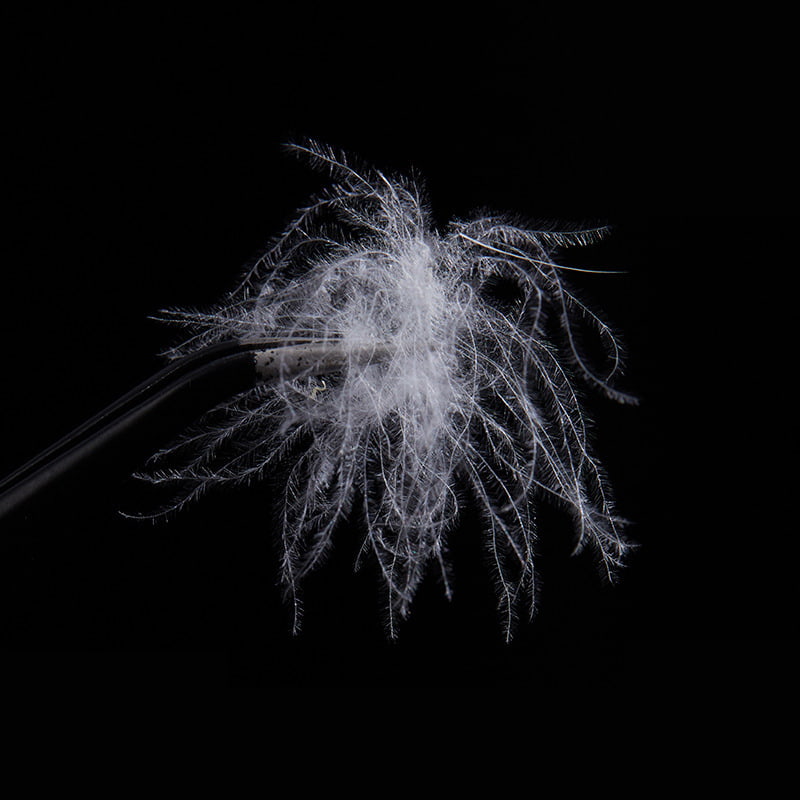
At its core, duck down refers to the soft, fluffy cluster found beneath the tougher exterior feathers of ducks. These clusters are three-dimensional structures with filaments that radiate from a central point, creating thousands of tiny air pockets. It is these trapped air pockets that provide exceptional thermal insulation by preventing the transfer of body heat to the cold outside environment. The quality of duck down is not a single metric but a combination of several factors that determine its performance, loft, and longevity.
Key Quality Indicators: Fill Power and Cluster Ratio
The most critical measure of down quality is fill power. Fill power is the volume, in cubic inches, that one ounce of down occupies when allowed to loft under standardized conditions. Higher fill power indicates larger, more resilient clusters that trap more air and provide better insulation with less weight. For instance, high-quality duck down can achieve fill powers ranging from 500 to 750+. A jacket filled with 800 fill power down will be warmer for its weight than one filled with 550 fill power down. Alongside fill power, the down-to-feather ratio is paramount. Pure down clusters are more effective insulators than feathers, which have quills and less loft. A label stating 90/10 means the fill is 90% down clusters and 10% small feathers, offering superior loft and warmth compared to a 70/30 blend. The expertise in achieving consistent, high fill power and precise ratios is a hallmark of specialized production enterprises that have refined their techniques over more than 20 years of operation, directly impacting the performance grade of the final product.
White Duck Down vs. Grey Duck Down: A Matter of Aesthetics
A common point of confusion is the difference between white and grey duck down. The difference is purely aesthetic and has no bearing on warmth, loft, or quality. White down is simply the undercoating from white-feathered ducks, while grey down comes from ducks with darker plumage. The significance arises in the construction of finished products. For thin, light-colored fabrics where fill might be visible, white down is preferred to prevent a shadowy or grey appearance showing through. In dark-colored or thick fabrics, grey down performs identically and is often more cost-effective. Therefore, when evaluating high quality duck down vs goose down cost, the color is rarely a factor; the fill power and cluster ratio are the true determinants of value and performance. A professional white duck down production and sales business will expertly process both types, ensuring the same rigorous cleaning and quality standards are applied, making the choice one of application and fabric compatibility rather than inherent quality.
The Production Journey: From Source to Fill
The journey of duck down from farm to finished product is a meticulous process that directly impacts quality. Reputable producers source down as a by-product of the food industry, adhering to responsible and ethical sourcing practices. The raw material then undergoes rigorous cleaning and sterilization. This involves multiple cycles of washing in specialized solutions at high temperatures to remove dust, allergens, and organic matter, followed by thorough drying and sterilization in large tumble dryers. Advanced sorting technology, sometimes leveraging patented methods developed by experienced producers, then separates down clusters from feathers and other debris, ensuring the purity of the final fill. It is this granular attention to detail—a hallmark of experienced producers with professional quality service—that transforms raw material into a premium, hygienic, and high-performing insulator. Such enterprises, with their patents and certifications, ensure the down not only meets but exceeds industry hygiene and quality standards, which is essential for products like the best duck down comforter for allergic sleepers.
Duck Down vs. Goose Down: A Detailed Comparative Analysis
The debate between duck down and goose down is a central one for consumers seeking premium insulation. While both are excellent natural insulators, they possess distinct characteristics that cater to different preferences and budgets. A nuanced comparison helps clarify which might be the better fit for your specific needs, especially when considering factors like climate, intended use, and budget constraints.
Insulation Performance and Cluster Size
Generally, geese are larger birds than ducks, and they tend to produce larger down clusters. A larger cluster has a greater capacity to loft and trap air, which often translates to a higher potential fill power. Therefore, the very highest fill powers (800+) are typically dominated by goose down. However, this does not mean duck down is ineffective. High-quality duck down can readily reach fill powers of 600-750, providing exceptional warmth suitable for most climates and conditions. For everyday winter coats, comforters, and pillows, high-fill-power duck down offers a superb balance of warmth and weight. The key distinction in performance often lies at the extreme premium end of the spectrum, where goose down has a slight edge in loft-per-ounce. This nuance is well-understood in the industry, guiding the sales of all kinds of high and low grade down to appropriate market segments.
Durability and Longevity Considerations
Both types of down are remarkably durable and can last for decades with proper care. The resilience of a down cluster is linked to the integrity of its filament structure. There is a common perception that the thicker quills of goose down clusters make them more resilient over time. While goose down clusters can be more robust, the difference in lifespan under normal use conditions is often minimal. The quality of processing and construction of the end product (such as the baffle box design in a comforter) plays a far more significant role in longevity than the bird source alone. A well-constructed duck down comforter from a quality-focused manufacturer will outlast a poorly made goose down product. This underscores the importance of sourcing from producers with a long-term commitment to quality and credible development, whose technical expertise ensures the down's natural durability is fully realized in the finished good.
Cost and Value Proposition
This is where duck down holds a significant advantage. Ducks are more plentiful and have a faster reproductive cycle than geese, making duck down more readily available and less expensive to source. This cost differential is passed on to the consumer, making duck down products more affordable. When analyzing high quality duck down vs goose down cost, duck down typically offers a better warmth-to-price ratio for the majority of users. It provides a gateway to high-performance natural insulation without the premium price tag associated with high-fill-power goose down. This affordability is a key reason behind the extensive sales of all kinds of high and low grade down, allowing a wider range of consumers to access suitable insulation for different needs and budgets, from heavy winter parkas to lightweight summer sleeping bags. It represents the core value proposition of duck down in the market.
Hypoallergenic Properties and Odor
A historical concern with duck down has been the potential for odor and allergenicity. This stems from the fact that ducks are waterfowl with oil glands needed for waterproofing, and if not processed thoroughly, traces of oils or organic matter could remain. However, with modern, advanced cleaning and sterilization processes—exactly the kind employed by certified producers with over two decades of experience—this issue is virtually eliminated. Premium duck down is thoroughly cleaned, de-dusted, and hypoallergenic. The rigorous, multi-stage washing process conducted in facilities that have passed strict domestic and international certifications ensures that the final product is pure, odor-free, and safe for most individuals with allergies, directly contributing to the reputation of a product as the best duck down comforter for allergic sleepers. The comparison can be summarized as follows:
| Feature | Duck Down | Goose Down |
|---|---|---|
| Typical Fill Power Range | Wider range, commonly 500-750+ | Often higher range, commonly 600-900+ |
| Cluster Size | Generally smaller | Generally larger |
| Warmth per Ounce (at same FP) | Comparable | Comparable |
| Cost | More affordable, better value | More expensive, premium priced |
| Allergy & Odor Potential (when properly processed) | Very low, hypoallergenic | Very low, hypoallergenic |
| Best For | Exceptional value, everyday high-quality products, budget-conscious premium insulation. | Ultralight gear for extreme cold, seeking the absolute highest loft potential. |
Choosing the Right Duck Down Product for Your Needs
Selecting a duck down item involves more than just picking a jacket or comforter. Understanding specifications and matching them to your lifestyle is crucial. This is where knowledge of industry terms and quality markers becomes practical. Whether you are looking for extreme warmth or a lightweight layer, the principles of fill power, weight, and construction apply universally.
Deciphering Product Labels and Specifications
When evaluating a product, always look for three key numbers: Fill Power (FP), Fill Weight, and Down Ratio. A label reading "Filled with 600 FP, 200g of 90/10 White Duck Down" gives you a complete picture. The 600 FP indicates good mid-to-high range insulating efficiency. The 200g fill weight tells you how much down is used; more weight generally means warmer, but the efficiency of that weight is determined by the FP. The 90/10 ratio confirms premium content. Be wary of labels that only state "duck down" without these metrics. Furthermore, the fabric shell is important. For bedding, look for a high thread count, down-proof weave to prevent leakage. For apparel, consider the denier (fabric thickness) and DWR (Durable Water Repellent) coatings for weather resistance. This level of specification transparency is a service provided by knowledgeable suppliers engaged in professional white duck down production and sales business, allowing for informed comparisons and satisfying the demand for sales of all kinds of high and low grade down.
Best Uses for Duck Down in Home and Apparel
Duck down's versatility shines across categories, and understanding these applications helps match the right product grade to the right need:
- Bedding (Comforters and Pillows): This is a classic application. A duck down comforter provides unparalleled breathable warmth without heaviness. The ability to regulate temperature makes it suitable for year-round use in many climates. When considering best duck down comforter for allergic sleepers, the answer lies in the processing. Allergens are not the down itself but dust and proteins attached to it. Meticulously cleaned, certified hypoallergenic down from reputable suppliers—those with proven quality service and relevant certifications—is an excellent choice for sensitive sleepers, often outperforming synthetic alternatives in breathability and comfort.
- Outerwear (Jackets, Vests, and Coats): Duck down is a staple in winter coats, parkas, and lightweight vests. It offers an excellent balance of packability and warmth. For urban winter use or casual outdoor activities, a duck down jacket with a fill power of 550-700 is often perfectly sufficient and more durable for daily wear than ultra-high-fill-power options. The analysis of high quality duck down vs goose down cost is particularly relevant here, where duck down offers substantial savings for high-performance everyday wear.
- Sleeping Bags and Outdoor Gear: While goose down is prevalent in ultralight backpacking, duck down is a fantastic option for car camping, family camping, or less extreme backpacking where value and durability are key. A sleeping bag with a well-constructed duck down fill will provide reliable warmth for many seasons. The robust nature of properly processed duck down ensures it can withstand the rigors of outdoor use when maintained correctly.
- Specialized Products: High-quality duck down is also used in items like insulated pants, booties, and even high-end furniture cushions, showcasing its adaptability across a spectrum of needs that require lightweight warmth.
Care, Maintenance, and Ethical Considerations
To protect your investment and ensure the longevity of your duck down products, proper care is non-negotiable. Concurrently, as a conscious consumer, understanding the ethical landscape of down sourcing is increasingly important and reflects the values of the entire supply chain.
How to Properly Wash and Store Duck Down
Contrary to some beliefs, down items need to be cleaned periodically to remove body oils, dust, and moisture that can clump clusters and reduce loft. Proper care maintains the loft and performance that define high-quality duck down filling.
- Washing: Use a front-loading washing machine (without an agitator) on a gentle cycle with lukewarm water. A specialized down wash or a mild, non-detergent soap is crucial; regular detergents can strip natural oils and damage the down's filaments. Rinse thoroughly, possibly with an extra rinse cycle to ensure all soap residue is removed.
- Drying: This is the most critical step. Tumble dry on low heat with 2-3 clean tennis balls or dryer balls. The balls help break up clumps as the down dries by bouncing around and physically separating the clusters. Be patient—it can take 2-3 hours to ensure the down is completely dry and restored to full loft. Any residual moisture can lead to mildew and permanent damage. Check that the down is no longer clumped and feels completely fluffy.
- Storage: Never store down compressed in its stuff sack for long periods. This can permanently damage the cluster structure and reduce loft. Store jackets and comforters in a large, breathable cotton bag or hanging in a closet. Ensure the storage area is cool and dry. This preserves the loft and resilience of the clusters for years to come, protecting the integrity of the product.
Responsible and Ethical Down Sourcing
The ethical provenance of down is a vital concern for modern consumers and reputable producers alike. The gold standard is down certified as a by-product of the food industry, meaning it is not sourced from live-plucked or force-fed birds. Look for certifications from independent, globally recognized organizations that audit the entire supply chain from farm to finished product. These certifications ensure strict animal welfare standards are met. This ethical commitment aligns perfectly with the core philosophy of established producers who adhere to the principle of quality for customers with the concept of credibility and development. Their professional commitment extends beyond product specifications to encompass responsible sourcing and processing, ensuring that the warmth provided does not come at an unjust cost. This holistic approach to white duck down production and sales business—from ethical sourcing through to certified, high-quality processing—is what builds lasting trust, earns industry praise, and ultimately delivers peace of mind to the end user.
Addressing Common Questions and Myths
Misconceptions about duck down persist. Clarifying these can help users enjoy their products with confidence and make informed future purchases, relying on facts rather than outdated myths.
Is Duck Down Suitable for Allergic Individuals?
This is one of the most prevalent questions. The answer is a qualified yes, thanks to modern processing. The allergen is not the down fiber itself but rather the dust, dander, or other microscopic particles that can cling to it if improperly cleaned. Therefore, the suitability hinges entirely on the quality of processing. Premium down from reputable sources undergoes a scrupulous cleaning process that removes virtually all allergens. For highly sensitive individuals, looking for products specifically marketed as "hypoallergenic" and backed by relevant certifications is advisable. Such products, often the result of a producer's dedicated professional commitment to each standard, can be an excellent choice, as down is naturally breathable, temperature-regulating, and resistant to dust mites compared to some synthetic fills.
How Does Duck Down Perform in Humid or Wet Conditions?
A inherent limitation of any natural down, including duck down, is its performance when wet. Down loses its insulating ability when saturated because the clusters clump together and cannot trap air. This is a key differentiator from advanced synthetic insulations, which retain more warmth when damp. However, this does not mean duck down is unsuitable for all but arid climates. Modern down apparel and gear often feature treated down and water-resistant shells. Treated down has a permanent hydrophobic coating on each cluster, causing water to bead up and roll off, significantly improving its resistance to moisture and drying time. Furthermore, high-quality outer shells with durable water repellent (DWR) finishes prevent external moisture from penetrating. For bedding, humidity is less of a direct concern, but ensuring good room ventilation is always beneficial. The ongoing innovation in down treatment technologies, often involving patented processes from leading producers, continues to enhance down's performance in varied environments.
What is the Lifespan of a Quality Duck Down Product?
With proper care, high-quality duck down products have an exceptionally long lifespan, often lasting 15 to 20 years or more. This longevity is a key part of their value proposition and sustainability story. The durability depends on several factors: the initial quality of the down (fill power and ratio), the construction of the product (e.g., baffle-box vs. sewn-through), the frequency of use, and most importantly, the adherence to proper care and storage guidelines outlined earlier. A well-maintained duck down comforter can provide decades of reliable service, outlasting many synthetic alternatives that tend to lose loft and insulation power more quickly due to fiber breakdown. This endurance is a testament to the timeless quality of natural materials when sourced and crafted with expertise, embodying the long-term vision of producers who prioritize credibility and development in their operations.
News Center
If you are interested in our products, please consult us
Contact Details
- Address : East 1st Floor, Building 3, No.3 Light Textile Road, Xucun Town, Haining City, Jiaxing City, Zhejiang Province
- Tel: +86-18133691685
- E-mail: [email protected]
Products
Quick Link
News Center
Mobile terminal

