

 English
 Español
 عربى
عربى
What Makes Grey Goose Down the Best Insulation for Cold Weather Gear?
2026-02-10
When confronting extreme cold, the choice of insulation in your gear is not a matter of luxury but of critical performance. Among the various materials available, Grey Goose Down stands out as a benchmark for premium cold-weather insulation. But what elevates it above other natural and synthetic fills? This article delves into the unique properties of grey goose down, exploring its superior warmth-to-weight ratio, exceptional compressibility, and unparalleled durability. We will dissect the science behind its loft, examine how it compares to other insulators, and provide a detailed guide on selecting and maintaining gear filled with this exceptional material. Understanding these factors will empower you to make an informed decision for your next Arctic expedition or winter adventure, ensuring you stay warm, dry, and protected in the harshest conditions.
Content
- 1
- 2 The Superior Anatomy of Grey Goose Down
- 3 Grey Goose Down vs. Other Insulators: A Detailed Comparison
- 4 Ethical and Sustainable Sourcing of Down
- 5 FAQ
- 5.1 What is the actual difference between grey goose down and white goose down?
- 5.2 Can grey goose down get wet, and what happens if it does?
- 5.3 How do I know what fill power is right for my winter jacket?
- 5.4 Is a higher fill power number always better?
- 5.5 How often should I wash my down sleeping bag or jacket?
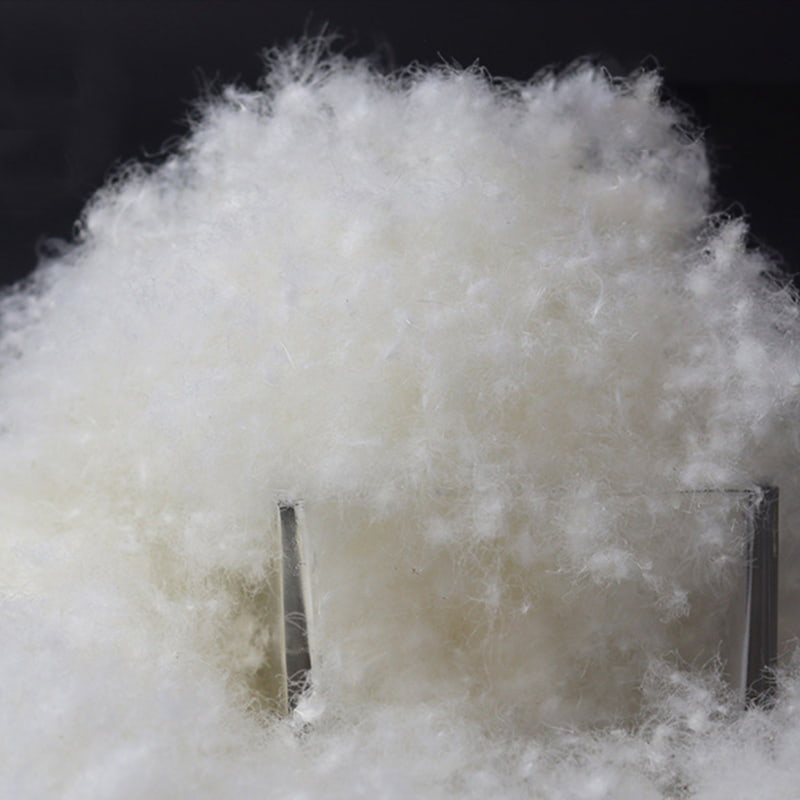
The Superior Anatomy of Grey Goose Down
At the heart of Grey Goose Down's exceptional performance lies its unique physical structure. Sourced from the plumage of grey geese, this down consists of a three-dimensional cluster without a quill core. Each cluster is a marvel of natural engineering, comprising thousands of fluffy filaments that radiate from a central point. These filaments interlock to create a dense, lofty matrix that traps and holds a massive volume of stationary air. It is this trapped air, not the down itself, that provides insulation by preventing convective heat loss. The quality is measured by fill power—the volume in cubic inches one ounce of down occupies. High-quality grey goose down typically boasts a fill power of 700 and above, with premium grades reaching 900+. This high fill power directly translates to greater loft with less weight, making it the gold standard for insulation where every gram counts. Furthermore, the down clusters are remarkably resilient, capable of springing back to their full loft repeatedly after compression, a key factor for long-term gear performance.
- Fill Power Explained: The primary metric for down quality. Higher fill power (e.g., 800+) indicates larger, more resilient clusters that provide more warmth per ounce.
- Cluster-to-Feather Ratio: Premium down has a high percentage of clusters versus feathers. Feathers have quills and provide less loft, so a 90/10 or 95/5 down-to-feather ratio is ideal for maximum insulation.
- Natural Hydrophobicity: While not fully waterproof, grey goose down has a slight natural resistance to moisture compared to some other down types, though most high-performance gear now uses treated down for enhanced water resistance.
- Longevity and Resilience: The robust structure of the clusters allows them to withstand years of compression and re-lofting, outlasting many synthetic alternatives when cared for properly.
Grey Goose Down vs. Other Insulators: A Detailed Comparison
To truly appreciate the value of Grey Goose Down, it must be compared to its peers. The most common alternatives include duck down, synthetic fibers like PrimaLoft®, and other specialty insulations. Duck down is a frequent comparison point; while excellent, goose down clusters are generally larger, yielding a higher average fill power and better long-term loft retention. Synthetic insulators, made from polyester fibers, excel in damp conditions as they retain warmth when wet and dry faster, but they are significantly heavier and less compressible for an equivalent warmth level, and they degrade faster over time. For activities like alpine climbing or backpacking where weight and pack size are paramount, grey goose down is unbeatable. For wet, humid environments, a synthetic or down treated with a durable water repellent (DWR) might be more practical. The choice ultimately hinges on the specific demands of your activity, climate, and priority between weight, compressibility, moisture resistance, and durability.
- Key Decision Factors: Warmth-to-weight ratio, compressibility, performance in damp conditions, durability, and cost.
- Activity-Based Selection: Down is king for dry-cold, weight-sensitive pursuits. Synthetics are safer for wet, unpredictable weather.
| Insulation Type | Warmth-to-Weight | Compressibility | Performance When Damp | Durability & Lifespan |
| Grey Goose Down (High FP) | Excellent | Excellent | Poor (unless treated) | Excellent (with proper care) |
| Duck Down | Very Good | Very Good | Poor (unless treated) | Very Good |
| High-End Synthetic (e.g., PrimaLoft Gold) | Good | Fair | Very Good | Good (loses loft over time) |
| Fleece | Fair (for weight) | Poor | Good (retains some warmth) | Very Good |
How to Choose the Right Fill Power for Your Needs
Selecting the appropriate fill power is crucial for optimizing your gear. Fill power is not an indicator of absolute warmth, but of efficiency. A jacket with 800 fill power will need less down to achieve the same loft and warmth as a jacket with 600 fill power, resulting in a lighter and more compressible garment. For most general winter use, including cold weather jackets for urban use, a fill power between 550 and 700 offers a great balance of warmth and value. For serious alpine activities, backpacking, or expeditions where minimizing weight is critical, opting for 800+ fill power is the logical choice. It’s also important to consider the total *amount* of down used (measured in grams or ounces), often called the "fill weight." A jacket with a high fill power but low fill weight might be very light but not as warm as a jacket with moderate fill power and a high fill weight. Understanding this interplay helps you decode product specifications and find the perfect match for your intended use.
- 550-650 FP: Budget-friendly, suitable for casual winter wear and moderately cold conditions.
- 700-800 FP: The sweet spot for most serious outdoor enthusiasts, offering an outstanding balance of warmth, weight, and price. Ideal for down jackets for hiking and skiing.
- 850-1000+ FP: The pinnacle of performance. Ultra-lightweight and packable, reserved for the most demanding expeditions and weight-conscious mountaineers.
Maintaining Your Down Gear for Maximum Lifespan
Investing in high-quality down gear necessitates proper care to protect that investment. The enemies of down are moisture, dirt, and improper storage. Regular maintenance involves airing out gear after use to evaporate body moisture. Spot cleaning with a damp cloth can address minor stains. For a full wash, which should be done infrequently, it is imperative to use a down-specific, non-detergent soap. Regular detergents can strip the down's natural oils and harm its DWR treatment. A front-loading washing machine on a gentle cycle is essential. The most critical step is thorough drying. Tumble dry on low heat with clean tennis balls or dryer balls to break up clumps and restore loft. This process may take several cycles. Never store down gear compressed; always keep it in a large, breathable cotton sack or hung in a dry closet. Proper care not only extends the life of your jacket or sleeping bag but also ensures it continues to perform at its peak, keeping you warm for countless adventures. This is especially important for items like grey goose down comforters that see nightly use.
- Washing Protocol: Use technical cleaner, gentle cycle, rinse twice to ensure all soap is removed.
- Drying is Non-Negotiable: Low heat, dryer balls, and patience until completely dry and fluffy.
- Storage Solution: Never use a stuff sack for long-term storage; always use a breathable storage bag.
- Reviving Old Down: Even old, clumpy down can often be restored with a proper wash and dry cycle.
Ethical and Sustainable Sourcing of Down
The provenance of down is an increasingly important consideration for conscious consumers. Responsible sourcing ensures that the down is a byproduct of the food industry and that the animals were treated ethically. Look for certifications from independent organizations. The most recognized global standard is the Responsible Down Standard (RDS), which provides traceability and verifies that down comes from ducks and geese that have not been subjected to unnecessary harm, such as live-plucking or force-feeding. Other certifications include the Global Traceable Down Standard (Global TDS). These standards give consumers confidence that their premium insulation aligns with their values. When researching grey goose down vs duck down warmth or looking for the best down fill power for extreme cold, factoring in the ethical certification adds another layer of quality and peace of mind to your purchase decision.
- Responsible Down Standard (RDS): The leading certification ensuring animal welfare and traceability in the down supply chain.
- Global Traceable Down Standard (Global TDS): Another robust certification offering full chain-of-custody traceability.
- Byproduct Priority: Certifications ensure down is a byproduct, not the primary reason for raising waterfowl.
- Brand Transparency: Reputable brands openly provide information about their sourcing and certifications.
FAQ
What is the actual difference between grey goose down and white goose down?
The primary difference between grey and white goose down is color, not inherent insulating quality. Both originate from geese and can achieve equally high fill power. The distinction becomes relevant in the manufacturing of gear. White down is preferred for lightweight, color-sensitive fabrics where the grey down might show through as a shadow. For darker fabrics or insulated compartments where visibility isn't an issue, grey down performs identically. Therefore, when evaluating warmth, loft, or compressibility, focus on the fill power and down-to-feather ratio rather than the color. The notion that one is warmer than the other is a common misconception; performance is determined by the quality and processing of the down clusters themselves.
Can grey goose down get wet, and what happens if it does?
Traditional, untreated Grey Goose Down loses its insulating properties when wet because the clusters mat together, collapsing the loft and eliminating the air pockets that provide warmth. This is a significant drawback in damp conditions. However, the industry has largely addressed this with technological advancements. Most high-performance down gear now uses down treated with a durable water-repellent (DWR) finish at the cluster level. This treatment, often referred to as "hydrophobic down," makes the down clusters resistant to absorbing moisture. They will dry faster and retain more loft when exposed to humidity or light moisture. For activities in consistently wet environments, it is highly recommended to choose gear filled with certified hydrophobic down to maintain reliability and safety.
How do I know what fill power is right for my winter jacket?
Choosing the right fill power involves balancing your typical climate, activity level, and budget. For everyday winter wear in moderately cold climates, down jackets for hiking and skiing with 600-700 fill power offer excellent warmth and value. If you face severe cold or prioritize minimal weight and packability for activities like backpacking or alpine climbing, opt for 800+ fill power. Remember to also check the fill weight (total ounces of down). A jacket with a high fill power but low fill weight may be less warm than a jacket with moderate fill power and a high fill weight. For extreme cold weather sleeping bags, 800+ fill power is often standard to minimize bulk and weight while maximizing thermal efficiency.
Is a higher fill power number always better?
Not necessarily. A higher fill power indicates greater loft per ounce, meaning it is more efficient, lighter, and more compressible. However, "better" depends on your needs and budget. For ultimate performance in weight-sensitive and extreme conditions, higher is better. But for many users, a 700-fill-power jacket with a robust construction and appropriate fill weight can be warmer, more durable, and more cost-effective than a lightweight, ultra-high-fill-power alternative. The law of diminishing returns applies; the performance jump from 550 to 700 FP is more dramatic than from 800 to 900 FP. Assess your primary use case—whether it's for cold weather jackets for urban use or mountaineering—to determine the optimal fill power for you.
How often should I wash my down sleeping bag or jacket?
Wash down gear as infrequently as possible. Over-washing can degrade the down's natural oils and the fabric's DWR coating. Often, airing it out thoroughly is sufficient. Wash only when it is visibly soiled, has lost significant loft that drying can't restore, or has an odor. For a grey goose down comforter, this might be once every 1-2 years. For a heavily used jacket or sleeping bag, it could be once a season or after a particularly grueling trip. Always follow the care instructions, use a technical down wash, and ensure it is 100% dry before storage or use.
News Center
If you are interested in our products, please consult us
Contact Details
- Address : East 1st Floor, Building 3, No.3 Light Textile Road, Xucun Town, Haining City, Jiaxing City, Zhejiang Province
- Tel: +86-18133691685
- E-mail: [email protected]
Products
Quick Link
News Center
Mobile terminal

