

 English
 Español
 عربى
عربى
Home / News / Industry News / The Complete Guide to Gray Goose Down: Quality, Benefits, and Industry Insights

The Complete Guide to Gray Goose Down: Quality, Benefits, and Industry Insights
2026-02-04
For over two decades, the production of premium feather down has been the cornerstone of our specialized enterprise. With a core business combining domestic expertise and foreign trade, we have honed the craft of producing exceptional down. Our professional commitment is focused on the meticulous production and sales of high-standard gray goose down and white duck down. From the highest to more economical grades, we ensure professional quality and service, adhering to a philosophy of quality for our customers, credibility, and sustainable development. Backed by numerous patents and several international certifications, our work has earned consistent recognition from government, society, and the industry. This guide delves deep into the world of gray goose down, offering valuable insights for businesses and enthusiasts alike.
Content
- 1 What is Gray Goose Down? Understanding the Premium Fill
- 2 5 Critical Factors Defining Gray Goose Down Quality
- 3 In-Depth Analysis: Gray Goose Down vs. Common Alternatives
- 4 Applications and Benefits of Premium Gray Goose Down
- 5 Sourcing and Selecting Gray Goose Down: A Professional Perspective
- 6 Care, Maintenance, and Longevity of Gray Goose Down Products
- 7 Industry Innovations and the Future of Down
- 8
- 9 Frequently Asked Questions (FAQ)
- 9.1 1. Is there a real difference between gray and white goose down?
- 9.2 2. What is the best fill power for everyday use in a duvet or jacket?
- 9.3 3. How can I tell if I'm buying high-quality gray goose down?
- 9.4 4. Can people with allergies use gray goose down products?
- 9.5 5. How long does a high-quality gray goose down product last?
- 10 References
What is Gray Goose Down? Understanding the Premium Fill
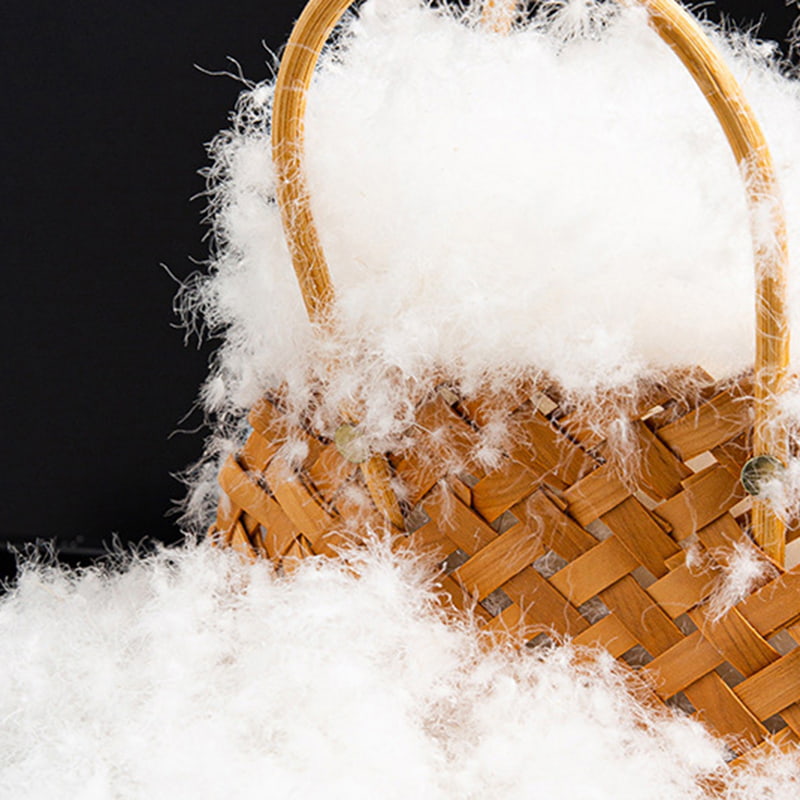
Gray goose down refers to the soft, fluffy undercoating found beneath the contour feathers of gray geese. It is a natural, three-dimensional cluster renowned for its exceptional insulating properties. Unlike feathers, which have a quill, down clusters are light, airy, and form a complex structure that traps air efficiently.
Key Characteristics of Gray Goose Down
Superior Insulation
- Creates millions of tiny air pockets that retain body heat.
- Provides an excellent warmth-to-weight ratio.
Remarkable Lightweight and Compressibility
- Offers significant loft with minimal weight.
- Easily packs down for storage or travel.
Long-Lasting Durability
- High-quality down clusters are resilient and can last for decades with proper care.
- Maintains loft and performance over many years of use.
Natural Breathability
- Wicks moisture away from the body while allowing excess heat to escape.
- Contributes to a dry, comfortable sleep or outdoor experience.
5 Critical Factors Defining Gray Goose Down Quality
Not all gray goose down is created equal. Its quality is scientifically measured by specific, standardized metrics that buyers must understand.
1. Fill Power: The Measure of Loft and Efficiency
Fill power measures the volume in cubic inches one ounce of down occupies. Higher fill power indicates larger, more resilient clusters that trap more air.
- High Fill Power (700+): Offers maximum warmth with minimal weight, ideal for premium bedding and high-performance apparel.
- Mid Fill Power (550-650): Provides excellent warmth and value, commonly used in quality all-season products.
- Standard Fill Power (400-500): Suitable for milder climates or more budget-conscious products.
2. Down Content Percentage: Purity Matters
This indicates the ratio of down clusters to feathers in a fill. A higher percentage means more pure down.
- 95/5 or 90/10: Premium blends, consisting almost entirely of down clusters for superior softness and loft.
- 80/20 or 70/30: Standard blends, offering good warmth and a more affordable price point.
3. Sourcing and Animal Welfare
Ethical sourcing is paramount. Reputable suppliers ensure down is a by-product of the food industry and adhere to strict animal welfare standards. Certifications like the Responsible Down Standard (RDS) provide traceability and assurance.
4. Cleaning and Processing Standards
Thorough washing and sterilization at high temperatures are essential. This process removes dust, allergens, and organic matter, resulting in a clean, odorless, and hypoallergenic fill.
5. Regional Origin and Species
The breed of goose and its environment can influence cluster size and resilience. For instance, geese from colder climates often develop denser, more insulating down. Understanding the nuances of gray goose down vs white goose down performance is also important for specific applications.
In-Depth Analysis: Gray Goose Down vs. Common Alternatives
Choosing the right insulating material requires a clear comparison. Here is a detailed look at how gray goose down stacks up against other fills. The following sentences provide a concise comparison before the table.
Gray goose down typically offers a superior warmth-to-weight ratio and greater longevity compared to polyester fiberfill. When comparing the warmth of gray goose down versus duck down, goose down clusters are generally larger, providing higher fill power and better insulation in equivalent weights. However, high-quality duck down can be an excellent, often more affordable, alternative for many uses.
| Material | Key Advantages | Key Considerations | Best For |
|---|---|---|---|
| Gray Goose Down | Best warmth-to-weight; Highly durable; Excellent compressibility; Natural breathability. | Higher cost; Requires proper care; Can lose insulation when wet (though treated versions exist). | Premium bedding, high-end winter apparel, lightweight expedition gear. |
| White Goose Down | Identical performance to gray; Preferred for white fabric shells to prevent show-through. | Often carries a slight price premium for color-specific applications. | White duvets, jackets with light-colored fabric. |
| Duck Down | More affordable; Good insulation value; Widely available. | Clusters are generally smaller (lower avg. fill power); May have a stronger odor if not well-processed. | Value-oriented bedding, everyday jackets, budget-friendly sleeping bags. |
| High-Quality Polyester (e.g., Hollowfibre) | Hypoallergenic; Retains warmth when damp; Easy to wash; Vegan; Very affordable. | Heavier for equivalent warmth; Less compressible; Can flatten over time. | Allergy sufferers, damp environments, budget products, easy-care items. |
Applications and Benefits of Premium Gray Goose Down
The exceptional properties of gray goose down make it the material of choice for a range of high-comfort products.
Luxury Bedding: Duvets and Pillows
In bedding, gray goose down creates an unparalleled sleep environment. A high-fill-power duvet provides cloud-like warmth without weight, promoting better sleep through superior temperature regulation. For those wondering about the best fill power for a gray goose down duvet, a range of 600-800 is typical for luxury products, with 700+ being ideal for a balance of warmth, weight, and longevity.
High-Performance Outerwear
From parkas to lightweight puffers, gray goose down is essential for outdoor and fashion apparel. Its compressibility allows jackets to be packed small, while its insulation provides critical warmth in cold conditions. Understanding how to clean and maintain a gray goose down jacket is crucial for preserving its loft and performance over many seasons.
Specialty Items: Sleeping Bags and Home Goods
For mountaineers and campers, down sleeping bags are indispensable for their light weight and extreme warmth. Additionally, gray goose down is used in luxury cushions, robe inserts, and other home textiles where premium comfort is desired.
Sourcing and Selecting Gray Goose Down: A Professional Perspective
From our 20 years of experience in down production, selecting the right supplier and product specifications is critical.
Identifying a Reputable Supplier
- Certifications: Look for RDS, Global Traceable Down Standard (TDS), or OEKO-TEX® certifications.
- Transparency: Suppliers should provide detailed specifications (fill power, content, origin).
- Experience and Reputation: Long-standing industry presence and positive peer reviews are strong indicators.
Making an Informed Purchase Decision
Always match the product specifications to the intended use. Consider the climate, desired warmth level, and care requirements. For example, the process for how to clean and maintain a gray goose down jacket differs from washing a duvet, and the fill power needs for a winter parka are different from a fall-weight jacket.
Care, Maintenance, and Longevity of Gray Goose Down Products
Proper care is essential to protect your investment and ensure decades of service.
Essential Care Guidelines
Regular Maintenance
- Air out products frequently to maintain loft.
- Use a duvet cover for bedding to protect it from dirt and oils.
- Spot clean stains immediately with a mild detergent.
Washing Instructions
- Use a front-loading washer on a gentle, cold cycle with a specifically designed down soap.
- Rinse thoroughly to remove all soap residue.
Drying: The Most Critical Step
- Tumble dry on low heat with 2-3 clean dryer balls or tennis balls to break up clumps.
- Dry completely until no moisture remains; this may take several cycles.
It's a common misconception that gray goose down is hypoallergenic for most people. While the down itself is not an allergen, dust and dander trapped within poorly cleaned down can cause reactions. Modern, rigorously cleaned down is generally very well-tolerated.
Industry Innovations and the Future of Down
The down industry is evolving with a focus on sustainability, traceability, and enhanced performance. Innovations include advanced cleaning technologies that further reduce allergens, water-resistant down treatments that retain warmth in humid conditions, and blockchain technology for full supply chain transparency. These advancements ensure that gray goose down remains a relevant, high-performance, and responsible material choice for the future.
Frequently Asked Questions (FAQ)
1. Is there a real difference between gray and white goose down?
No, there is no functional difference in warmth, loft, or quality between gray and white goose down. The color distinction is purely aesthetic. White down is often preferred for products with light-colored fabric shells to prevent the gray clusters from showing through [1].
2. What is the best fill power for everyday use in a duvet or jacket?
For a versatile, all-season duvet, a fill power between 600 and 700 is ideal. For a winter jacket in moderately cold climates, 550-650 fill power offers an excellent balance of warmth and value. Higher fill powers (800+) are best for extreme cold or where minimal weight is critical.
3. How can I tell if I'm buying high-quality gray goose down?
Check the label for high fill power (e.g., 700+), a high down content percentage (90% or above), and reputable certifications like the Responsible Down Standard (RDS). A transparent supplier will provide these specifications readily.
4. Can people with allergies use gray goose down products?
Most people with allergies can use modern, high-quality down. Reputable manufacturers thoroughly clean and sterilize the down, removing most allergen-inducing dust and dander. However, individuals with severe feather allergies should test cautiously or consider premium synthetic alternatives.
5. How long does a high-quality gray goose down product last?
With proper care, a premium gray goose down duvet or jacket can last 15-25 years or more. Its resilience is one of its key value propositions, outlasting many synthetic alternatives that lose loft over time.
References
[1] International Down and Feather Bureau (IDFB). (2022). *IDFB Standard: Testing and Analysis Methods for Down and Feathers*. Retrieved from IDFB Technical Library. (This reference supports the statement on the functional equivalence of gray and white down).
[2] Textile Institute. (2019). *Principles of Textile Insulation: Natural and Synthetic Fibers*. Elsevier Science. (General principles of insulation, fill power, and material comparisons cited throughout the article).
[3] Responsible Down Standard (RDS). (2023). *RDS Certification Guidelines Version 3.0*. Textile Exchange. (Cited in sections discussing ethical sourcing, traceability, and certifications).
News Center
If you are interested in our products, please consult us
Contact Details
- Address : East 1st Floor, Building 3, No.3 Light Textile Road, Xucun Town, Haining City, Jiaxing City, Zhejiang Province
- Tel: +86-18133691685
- E-mail: [email protected]
Products
Quick Link
News Center
Mobile terminal

