

 English
 Español
 عربى
عربى
Down vs Feather Comforters: Fill Power, Duck, Goose and Alternatives
2026-07-01
Content
Down vs. Feather Comforter: The Difference Is in the Cluster, Not Just the Bird
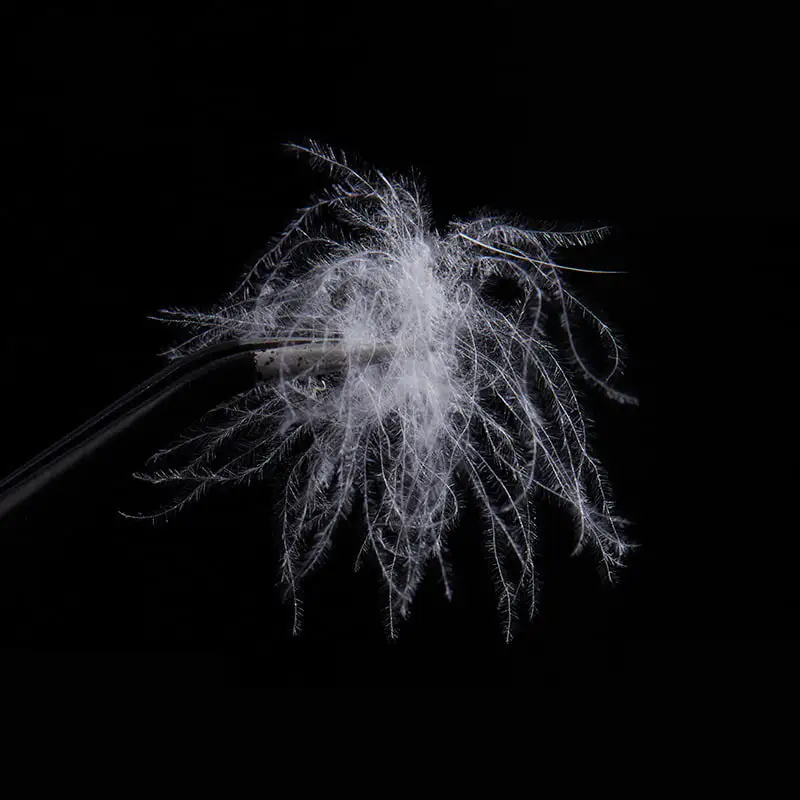
Down and feathers come from the same bird but serve completely different purposes in bedding. Down is the soft, three-dimensional cluster found under a bird's outer feathers, closest to the skin, and it has no quill. Feathers have a rigid central quill and a flat structure, which is why a feather-only pillow or comforter feels firmer and slightly crunchy compared to the airy loft of down. A down vs feather comforter comparison usually comes down to feel: down traps more warm air per ounce because its cluster structure creates thousands of tiny air pockets, while feathers compress flatter and provide more structure but less insulation for the same weight.
Most "down" comforters aren't 100% down — they're a blend, and the fill power and down percentage on the label tell you how much of that airy cluster is actually inside versus flatter, heavier feathers used as filler.
Reading Fill Power and Down Percentage Correctly
Fill power measures how many cubic inches one ounce of down occupies when fully lofted — it's a measure of loft quality, not total warmth or weight. A higher fill power means each cluster traps more air, so less fill by weight is needed to reach the same warmth level.
| Fill Power Range | Quality Tier | Typical Use |
|---|---|---|
| 400–500 | Entry level | Budget comforters, mild climates |
| 550–650 | Mid-range | Everyday all-season comforters |
| 700–900+ | Premium | Lightweight warmth, cold climates |
General fill power tiers and what they typically indicate for comforter performance.
Duck Down or Goose Down: Does the Species Actually Matter?
Debating whether duck down or goose down is better comes down to cluster size rather than any inherent quality gap between the two birds. Geese are larger, so their down clusters tend to be bigger and achieve higher fill power more consistently — goose down more easily reaches 700+ fill power, while duck down typically tops out in the 550–650 range. That said, high-grade duck down can outperform low-grade goose down, so fill power and cleanliness processing matter more than species alone. Duck down is generally less expensive and is a reasonable choice for buyers who want good loft without paying a premium for goose-specific sourcing.
One practical difference: duck down has historically been associated with a faint odor if not properly washed, since ducks' diets differ from geese. Reputable manufacturers wash and sterilize both types thoroughly, which largely eliminates this issue in modern bedding.
What Down Alternative Actually Means
A goose down alternative is a synthetic fill, usually made from fine polyester microfiber, engineered to mimic the loft and softness of natural down clusters without using animal-derived material. These fibers are crimped or clustered during manufacturing to trap air in a similar way to real down, though they generally can't match the warmth-to-weight ratio of high fill power natural down.
- Machine washable in most cases, while natural down often requires specific care or professional cleaning
- Hypoallergenic by nature, making it a common choice for allergy-sensitive sleepers
- Lower cost than natural down at comparable warmth levels, though it tends to lose loft faster over repeated washing
- A cruelty-free option for buyers avoiding animal-derived bedding materials entirely
News Center
If you are interested in our products, please consult us
Contact Details
- Address : East 1st Floor, Building 3, No.3 Light Textile Road, Xucun Town, Haining City, Jiaxing City, Zhejiang Province
- Tel: +86-18133691685
- E-mail: [email protected]
Products
Quick Link
News Center
Mobile terminal

