

 English
 Español
 عربى
عربى
Goose Down vs Duck Down: Differences, Fill Power & Which Is Better
2026-05-25
Content
- 1 What Is Down — and Why Does the Bird Species Matter?
- 2 What Is Goose Down?
- 3 What Is Duck Down?
- 4 Goose Down vs Duck Down: Key Differences at a Glance
- 5 Is Goose Down Better Than Duck Down?
- 6 Down vs Goose Down vs Feather Fill: Understanding Labels
- 7 What to Look for Beyond the Bird: Fill Power, Fill Weight, and Certification
What Is Down — and Why Does the Bird Species Matter?
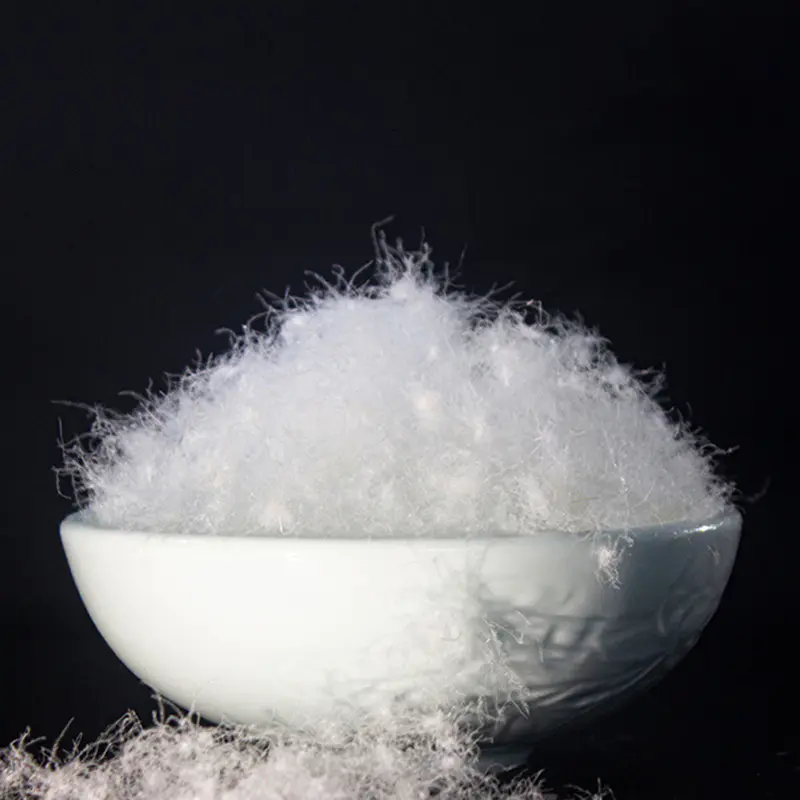
Down is the soft, fluffy underplumage found beneath the outer feathers of waterfowl. Unlike feathers, which have a rigid quill and flat vane, down clusters have no central shaft — they consist entirely of fine, three-dimensional filaments that radiate outward from a central point, trapping warm air in thousands of tiny pockets. This structure is what makes down one of the most efficient natural insulators known, delivering exceptional warmth at a fraction of the weight of synthetic alternatives.
The two most common sources of down are geese and ducks. While both produce genuine down with the same basic insulating mechanism, there are consistent, measurable differences between goose down and duck down in cluster size, fill power, odor, and price — differences that matter significantly when choosing a duvet, sleeping bag, or insulated jacket.
What Is Goose Down?
Goose down refers to the underplumage harvested from domestic or wild geese, most commonly white geese farmed in Hungary, Poland, and China. Geese are larger birds than ducks, and their down clusters reflect this — they are physically bigger, which directly correlates with higher fill power. Premium goose down regularly achieves fill power ratings of 700 to 900+, with rare Siberian and European white goose down reaching 1000 fill power in exceptional grades.
Fill power measures the loft of down — specifically, how many cubic inches one ounce of down occupies when allowed to expand freely. Higher fill power means larger clusters, greater loft, more trapped air per ounce of material, and therefore better insulation at lower weight. For weight-sensitive applications like high-altitude sleeping bags and performance outerwear, this distinction is decisive.
Goose down also tends to produce less odor than duck down, particularly when wet. This is partly because geese are generally raised on grain-based diets, while ducks are more omnivorous, consuming fish and other proteins that leave residual compounds in the down even after processing.
What Is Duck Down?
Duck down is the underplumage harvested from ducks, most frequently as a byproduct of the food industry — the same birds raised for meat and foie gras. The majority of the world's down supply, by volume, comes from ducks rather than geese, which makes duck down significantly more abundant and less expensive to produce.
Duck down clusters are smaller than goose down clusters, which typically limits their fill power to a range of 550 to 750 in commercially available products, though high-grade duck down from mature birds can reach 800 fill power in some cases. For everyday bedding — duvets, pillows, and comforters used at normal indoor temperatures — this range is entirely sufficient, and the difference in warmth versus a comparable goose down product is negligible in practice.
The main practical disadvantage of duck down is its greater susceptibility to odor, especially in humid conditions or after washing. However, high-quality processing and rigorous washing standards — such as those required by the Responsible Down Standard (RDS) certification — largely eliminate this issue in reputable products.

Goose Down vs Duck Down: Key Differences at a Glance
| Factor | Goose Down | Duck Down |
|---|---|---|
| Cluster Size | Larger | Smaller |
| Typical Fill Power Range | 600–900+ | 550–750 |
| Warmth-to-Weight Ratio | Higher | Moderate |
| Odor Tendency | Lower | Slightly Higher |
| Supply & Availability | More limited | Widely available |
| Price Point | Higher | Lower |
| Best For | Performance gear, luxury bedding | Everyday bedding, value products |
Is Goose Down Better Than Duck Down?
Goose down is technically superior in measurable performance metrics — particularly fill power and warmth-to-weight ratio. But "better" depends entirely on the use case and budget.
When Goose Down Is Worth the Premium
- Ultralight backpacking and mountaineering sleeping bags — where every gram counts and insulation must perform at sub-zero temperatures, high fill power goose down is irreplaceable.
- Premium insulated jackets — 800+ fill power goose down packs into a fist-sized stuff sack while providing the warmth of a much heavier garment.
- Luxury duvets and bedding — for buyers seeking the lightest possible tog rating at maximum warmth, particularly in king-size or oversized formats where total fill weight adds up quickly.
When Duck Down Delivers Equal Value
- Bedroom duvets and pillows — used at room temperature, the fill power difference between 650 duck down and 800 goose down is imperceptible in comfort terms. A well-filled duck down duvet performs identically to a lighter goose down equivalent in a heated home.
- Mid-range winter jackets — for everyday city use, a 650 fill duck down jacket is warm, packable, and a fraction of the cost of its goose down equivalent.
- Children's products — where durability and washability matter more than ounce-for-ounce insulation efficiency, duck down is practical and cost-effective.
The honest answer: for most consumers buying bedding or casual outerwear, high-quality duck down outperforms low-quality goose down — fill power, washing standards, and construction quality matter more than which bird the down came from.
Down vs Goose Down vs Feather Fill: Understanding Labels
Product labeling in the bedding and apparel industry can be confusing. Here is what common terms actually mean:
- "Down" — in regulated markets (US, EU, UK), a product labeled simply as "down" must contain at least 75% down clusters by weight, with the remainder being feathers and other fiber. The bird species may or may not be specified.
- "Goose down" — specifies the species. In the US, products claiming "goose down" must contain at least 90% goose down clusters under FTC guidelines, with no more than 10% duck down or other material.
- "Duck down" — similarly species-specific, though labeling enforcement is less strict in some markets. Look for third-party certifications to verify claims.
- "Down alternative" or "microfiber fill" — entirely synthetic, typically polyester-based. No animal origin, fully washable, and hypoallergenic, but significantly heavier and less breathable than genuine down at equivalent warmth levels.
- "Down & feather" (e.g., 85/15 or 50/50) — a blend of down clusters and flat feathers. Feathers add weight and structure but reduce loft; higher down percentages indicate better insulation quality.
What to Look for Beyond the Bird: Fill Power, Fill Weight, and Certification
Knowing whether a product uses goose or duck down is only one part of the evaluation. These three factors are equally important:
Fill Power
As described above, fill power measures loft quality. For bedding, 500–600 is adequate for mild climates; 650–750 is suitable for year-round use in most regions; 800+ is reserved for cold climates or performance applications. Fill power tells you the quality of the down, not the total warmth of the product — that is determined by fill weight.
Fill Weight
Fill weight is the total amount of down used in a product, measured in grams or ounces. A duvet with 900g of 650 fill duck down will be warmer than one with 300g of 850 fill goose down, despite the latter having superior fill power. Both numbers together — fill power and fill weight — determine actual thermal performance.
Ethical Certification
Both goose and duck down have faced scrutiny over live-plucking and force-feeding practices in the supply chain. The Responsible Down Standard (RDS) and the Global Traceable Down Standard (Global TDS) are the two leading third-party certifications that verify humane treatment of birds and chain-of-custody traceability from farm to finished product. For ethically conscious buyers, certification matters more than species.
News Center
If you are interested in our products, please consult us
Contact Details
- Address : East 1st Floor, Building 3, No.3 Light Textile Road, Xucun Town, Haining City, Jiaxing City, Zhejiang Province
- Tel: +86-18133691685
- E-mail: [email protected]
Products
Quick Link
News Center
Mobile terminal

