

 English
 Español
 عربى
عربى
Home / News / Industry News / The Ultimate Guide to Duck Down Filling: Quality, Benefits, and Selection

The Ultimate Guide to Duck Down Filling: Quality, Benefits, and Selection
2026-01-27
For over two decades, our company has been at the heart of feather and down production, combining expertise in domestic and international trade. With a core commitment to quality and credibility, we specialize in the professional production and sale of high-grade white goose down and duck down filling. Our extensive experience, backed by multiple patents and international certifications, ensures we deliver superior products that meet the highest standards. This guide delves deep into the world of duck down, offering you the specific, in-depth information needed to make informed decisions.
Content
- 1 What is Duck Down Filling?
- 2 Duck Down vs. Goose Down: A Detailed Comparison
- 3 Benefits and Applications of Duck Down
- 4 How to Choose High-Quality Duck Down: A Buyer's Guide
- 5 Addressing Common Concerns and Myths
- 6 Specialized Types and Innovations
- 7 Proper Care and Maintenance for Longevity
- 8 Frequently Asked Questions (FAQ)
- 9
- 10 References
What is Duck Down Filling?
Duck down filling refers to the soft, fluffy undercoating found beneath the tougher exterior feathers of ducks. This cluster-like material is renowned for its exceptional insulating properties, trapping air to create warmth without excessive weight. It is a premium natural material used extensively in high-quality bedding, outerwear, and outdoor gear.
Key Characteristics of Premium Duck Down
- Cluster Structure: Three-dimensional, filamentous clusters that interlock to create loft.
- Fill Power: The primary measure of quality, indicating the volume one ounce of down occupies.
- Natural Sourcing: A byproduct of the food industry, often ensuring ethical sourcing.
- Durability: With proper care, high-quality down can last for decades.
Duck Down vs. Goose Down: A Detailed Comparison
While both are excellent insulators, key differences impact their application and feel. Goose down clusters are generally larger, yielding higher fill power on average. Duck down clusters are slightly smaller but offer exceptional warmth and value. The choice often depends on the desired balance of performance, feel, and budget.
To clarify the differences, here is a comparative overview:
| Aspect | Duck Down | Goose Down |
| Typical Cluster Size | Smaller | Larger |
| Average Fill Power Range | 400 - 750+ | 500 - 900+ |
| Insulation Efficiency | Excellent, highly effective | Superior, often loftier |
| Cost | Generally more affordable | Typically more expensive |
| Best For | Value-oriented premium products, all-season items | Ultra-premium, extreme-cold gear |
Benefits and Applications of Duck Down
Unmatched Insulation and Warmth
- Superior Warmth-to-Weight Ratio: Provides exceptional heat retention without bulk.
- Adaptive Comfort: Naturally adjusts to body temperature and environmental conditions.
- Breathability: Allows moisture vapor to escape, keeping you dry.
Primary Uses in Consumer Products
- Bedding: Duvets, comforters, and pillows for comfortable sleep.
- Outerwear: Jackets, vests, and parkas for outdoor activities.
- Specialized Gear: Sleeping bags and high-altitude equipment.
How to Choose High-Quality Duck Down: A Buyer's Guide
Selecting the right product is crucial. Here are essential factors to consider.
Understanding Fill Power and Fill Weight
- Fill Power: Measures loft and insulating efficiency. Higher numbers indicate better quality.
- Fill Weight: The total amount of down used. Combines with fill power to determine warmth.
Down-to-Feather Ratio and Its Importance
The percentage of down clusters versus feathers is critical. A 90/10 ratio (90% down, 10% feathers) is considered excellent, while lower ratios like 70/30 are more economical but less lofty.
The impact of the down-to-feather ratio on product performance can be summarized as follows:
| Ratio (Down/Feather) | Typical Loft | Warmth Level | Compressibility | Common Use |
| 95/5 or 90/10 | Very High | Extremely Warm | Excellent | Premium bedding, expedition gear |
| 80/20 | High | Very Warm | Very Good | Quality winter jackets, duvets |
| 70/30 | Moderate | Warm | Good | Budget-friendly comforters, all-season wear |
Ethical Sourcing and Responsible Down Standards (RDS)
Ethical considerations are paramount. The Responsible Down Standard (RDS) certification ensures the down is sourced from animals that have not been subjected to unnecessary harm. This is a key factor for consumers seeking ethically sourced duck down comforters and apparel [1].
Addressing Common Concerns and Myths
Allergies and Duck Down
Contrary to popular belief, most down allergies are reactions to dust or allergens trapped within the down, not the down itself. Modern processing, including rigorous washing and sterilization, minimizes this risk. For highly sensitive individuals, looking for hypoallergenic treated duck down products is advisable.
Duck Down Odor and Processing
A common question is about potential odor. Premium down undergoes multiple cleaning and sterilizing baths at high temperatures, effectively removing oils and dust. This process is essential for creating odor free duck down pillows and bedding. Inferior processing can leave residues, leading to the "wet duck" smell.
Durability and Long-Term Care
With proper care, high-quality duck down can last over 20 years. The key is allowing it to maintain its loft. For items like a durable duck down winter coat, proper storage (not compressed) and following care labels for washing and drying are essential. Periodic airing and fluffing restore loft.
Specialized Types and Innovations
Water-Resistant and Treated Down
Innovations have led to treatments that make down water-resistant. This technology prevents moisture absorption, maintaining loft in damp conditions. This is a game-changer for water resistant duck down sleeping bags and outdoor apparel, enhancing performance in humid environments.
Blended and Hybrid Insulations
Some manufacturers blend down with synthetic fibers. This can enhance durability in specific conditions, reduce cost, or address moisture concerns, though it may slightly compromise the pure down's compressibility and warmth-to-weight ratio.
Proper Care and Maintenance for Longevity
Cleaning and Drying Best Practices
- Washing: Use a front-loading washer on gentle cycle with a mild, down-specific detergent.
- Drying: Tumble dry on low heat with dryer balls or clean tennis balls to break up clumps.
- Frequency: Wash only when necessary; spot clean when possible.
Storage Tips to Preserve Loft
- Store in a large, breathable cotton bag (not plastic) in a cool, dry place.
- Never store down items compressed for long periods; hang jackets or keep bedding in a spacious container.
- Air out and fluff regularly to maintain cluster structure.
Frequently Asked Questions (FAQ)
1. Is duck down warmer than synthetic insulation?
Yes, for its weight, high-fill-power duck down typically offers superior warmth and compressibility compared to most synthetic fills. However, synthetic insulation retains more warmth when wet and is often more affordable.
2. How can I tell if a duck down product is high quality?
Check the fill power (aim for 600+ for excellent quality), the down-to-feather ratio (90/10 or higher is premium), and look for certifications like RDS. The product should feel light yet lofty, not flat or feathery.
3. What does "fill power" actually mean for my comfort?
Fill power indicates how much space one ounce of down fills. Higher fill power means the down clusters are larger and more resilient, trapping more air. This translates to greater warmth with less material, resulting in a lighter, fluffier, and more compressible product.
4. Can duck down be used by people with allergies?
Often, yes. Many allergies are to dust mites, not the down itself. Look for products labeled "hypoallergenic," which have undergone extensive cleaning and sterilization to remove allergens. Down-alternative fills remain an option for severe cases.
5. Is duck down ethical and sustainable?
When sourced responsibly, yes. Down is a natural byproduct of the food industry. Certifications like the Responsible Down Standard (RDS) provide assurance that the down comes from animals treated humanely, supporting ethically sourced duck down comforters and clothing [1].
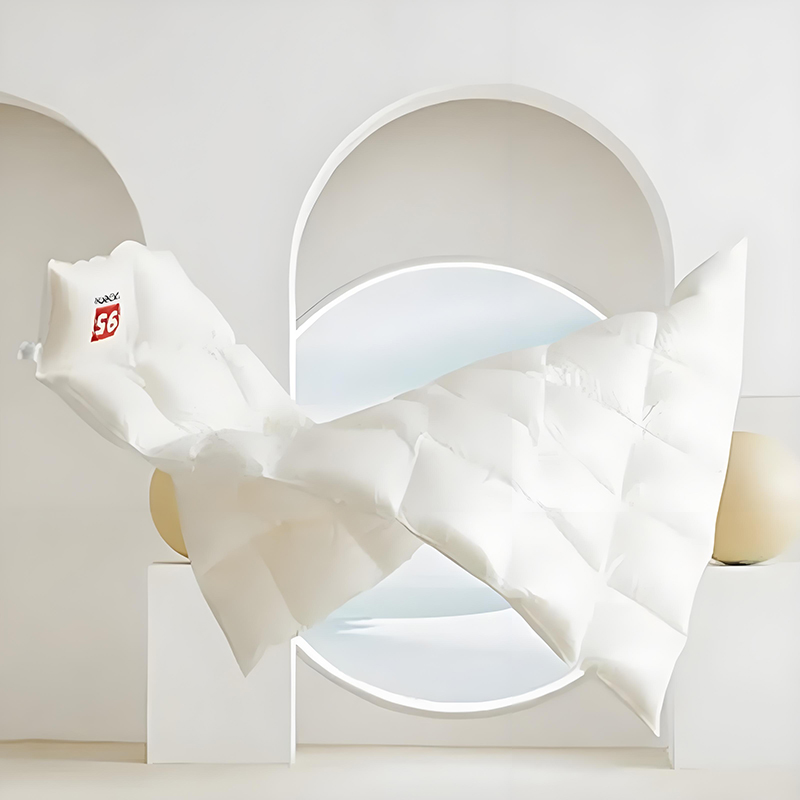
Duck down filling remains a gold standard in natural insulation, offering an unparalleled blend of warmth, comfort, and durability. From ensuring a cozy night's sleep to providing protection in harsh climates, its applications are vast. By understanding key metrics like fill power, down-to-feather ratio, and ethical certifications, you can select a product that delivers lasting value and performance. With over 20 years of dedicated expertise in producing the finest white duck down, our commitment is to provide not just a product, but a promise of quality, credibility, and sustainable comfort.
References
[1] Textile Exchange. (2023). *Responsible Down Standard (RDS)*. Retrieved from Textile Exchange website. This source provides the framework and criteria for the ethical certification of down, supporting the discussion on responsible sourcing.
News Center
If you are interested in our products, please consult us
Contact Details
- Address : East 1st Floor, Building 3, No.3 Light Textile Road, Xucun Town, Haining City, Jiaxing City, Zhejiang Province
- Tel: +86-18133691685
- E-mail: [email protected]
Products
Quick Link
News Center
Mobile terminal

